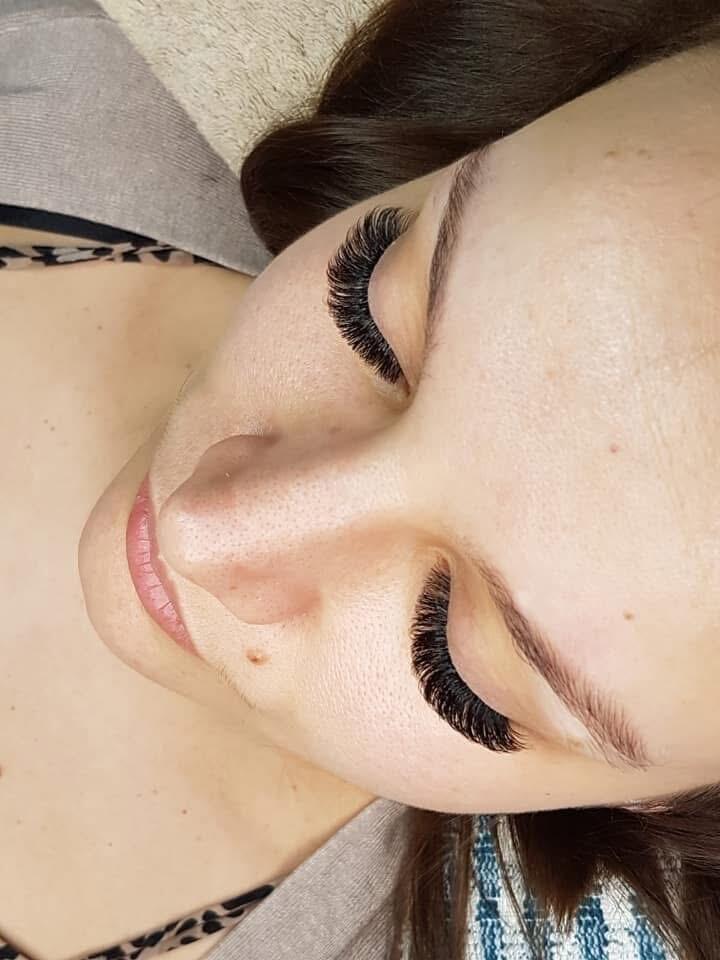
🗺️ How to Map Lashes
Lash mapping is more than just length and curl — it’s about designing a custom lash set that enhances your client’s eye shape, lash health, brows, and face structure.
Whether you're a beginner lash artist or refining your signature styles, this guide will walk you through how to lash map correctly using face analysis, lash line structure, and layering technique.
🧠 What Is Lash Mapping?
Lash mapping is the strategic placement of lash lengths, curls, and thicknesses along the eye — creating balance, symmetry, and style. It improves:
-
Speed & consistency
-
Styling precision
-
Client retention & satisfaction
📏 Pro Tip: Use under-eye pads to sketch your design directly during prep.
👁️ Step 1: Identify the Eye Shape
Each eye shape benefits from different lash map designs. First, ask:
-
Are the eyes almond, round, hooded, monolid, downturned, or close-set?
👇 Cheat Sheet:
| Eye Shape | Best Map Style | Avoid |
|---|---|---|
| Almond | Open Eye, Natural | Too dramatic cat-eye |
| Round | Cat-Eye, Squirrel | Short spikes in inner corner |
| Hooded | Squirrel, L Style | Long curls on inner corners |
| Monolid | Cat-Eye, Lifted Doll | Heavy D curls on inner eyes |
| Close-Set | Doll-Eye | Long lashes near inner corners |
| Downturned | Squirrel, Natural Lift | Cat-eye (accentuates droop) |
🧭 Step 2: Assess the Brows & Face Shape
🖼️ Brows act as an anchor for lash design. A soft brow suits wispy or open styles. A sharp arch supports bold, spiked mapping.
🧑🎨 For face shapes:
-
Round faces benefit from elongated cat-eye maps to slim the look
-
Square faces love symmetrical styles like doll-eye or open-eye
-
Heart shapes look great with a soft lift and shorter inner/outer corners
🔍 Step 3: Examine the Natural Lash Line
You must always lash within the client’s lash potential. Assess:
-
Length: Don’t apply anything longer than 3mm over the natural lash
-
Strength: Thicker bases can support volume fans
-
Density: Adjust the map based on layers and lash gaps
🪜 Step 4: Account for Lash Layers
Natural lashes grow in 3–5 layers, and each layer needs specific treatment.
Layering Tips:
-
Top Layer: Use longer lengths or spikes for texture and volume
-
Middle Layer: Build your base structure here
-
Bottom Layer: Go shorter for depth and natural blend
🎯 Pro Tip: Mix curls (e.g., C + D or D + L) to create depth and lift without overloading a single layer.
🧷 Step 5: Choose Curl, Length & Thickness
Curl Guide:
-
C Curl: Natural lift, great for beginners
-
CC Curl: A bit more drama
-
D Curl: Maximum lift for downward-facing lashes
-
L Curl: Ideal for hooded, monolid, or deep-set eyes
Thickness Guide:
-
0.07 – Perfect for volume
-
0.05 / 0.03 – Mega volume
-
0.10 / 0.12 / 0.15 – Classic sets
-
Never exceed the strength of the natural lash
📐 Lash Mapping Example Templates
These are general layout examples. You’ll need to tweak based on individual lashes and styling.
1. Doll-Eye (Opens the Eye)
Great for small or close-set eyes
| Section | Lengths Example |
|---|---|
| Inner (1–2) | 8–9 mm |
| Middle (3–4) | 10–12 mm |
| Outer (5–6) | 9–10 mm |
2. Cat-Eye (Elongates the Eye)
Best for round or almond eyes
| Section | Lengths Example |
|---|---|
| Inner (1–2) | 8–9 mm |
| Middle (3–4) | 10–11 mm |
| Outer (5–6) | 12–13 mm |
3. Squirrel (Lift + Tapered Finish)
Good for hooded or downturned eyes
| Section | Lengths Example |
|---|---|
| Inner (1–2) | 8–9 mm |
| Middle (3–4) | 11–12 mm |
| Outer (5–6) | 9–10 mm |
🎨 Want these as stickers? Browse Lash Mapping Accessories
🧰 Must-Have Lash Mapping Tools
✔ Under Eye Pads
✔ Fine Tip Marker or Gel Pen
✔ Tweezers for Layer Isolation
✔ Lash Mirror to check symmetry mid-set
🧠 Pro Tips for Perfect Lash Maps
✔ Always start with your map before priming
✔ Use colored lashes or spikes for visual accents
✔ Double-check symmetry using a lash mirror
✔ If layering, stagger lengths across layers for texture
✔ Save your client’s map for refill consistency